

A recent article by GiveDirectly co-founder Paul Niehaus reflects on a simple but transformative question: What happens when we trust people living in poverty to make their own decisions? For decades, many development efforts were built on the assumption that poor communities needed experts to determine what was best for them. While often well-intentioned, this assumption can overlook a simple reality: people living in poverty understand their own circumstances, priorities, and opportunities better than anyone else. The challenge is frequently not a lack of ideas, motivation, or ability, but a lack of access to the resources needed to act on those ideas.
GiveDirectly challenged that assumption by providing unconditional cash transfers and allowing recipients to decide how to use the money themselves. They found that rather than spending the money irresponsibly, recipients frequently invested in their homes, businesses, education, healthcare, and other needs that improved their quality of life. The results suggested that when people are trusted with resources, they are often capable of making thoughtful decisions that strengthen their families and communities.
At WorldWise Microfinance, we also believe in people. Rather than providing grants or direct cash transfers, WorldWise partners with local institutions to offer small business loans. Borrowers decide where a business opportunity exists, how they might meet that opportunity and how they will make money on meeting the opportunity. Our local partners don’t tell people what businesses they should start. Rather, we trust individuals to identify business opportunities and to evaluate their own ability to serve a community or meet a need.
Across our partner communities in the Dominican Republic, Kenya, Ghana, Uganda, and the Philippines, borrowers consistently demonstrate creativity, discipline, and determination. They use loans to purchase inventory, expand small enterprises, invest in agriculture, or create cottage industries. These decisions may look different from one community to another, but they share a common theme: people understand their own communities and the opportunities within the communities far better than someone who doesn’t live in the community.
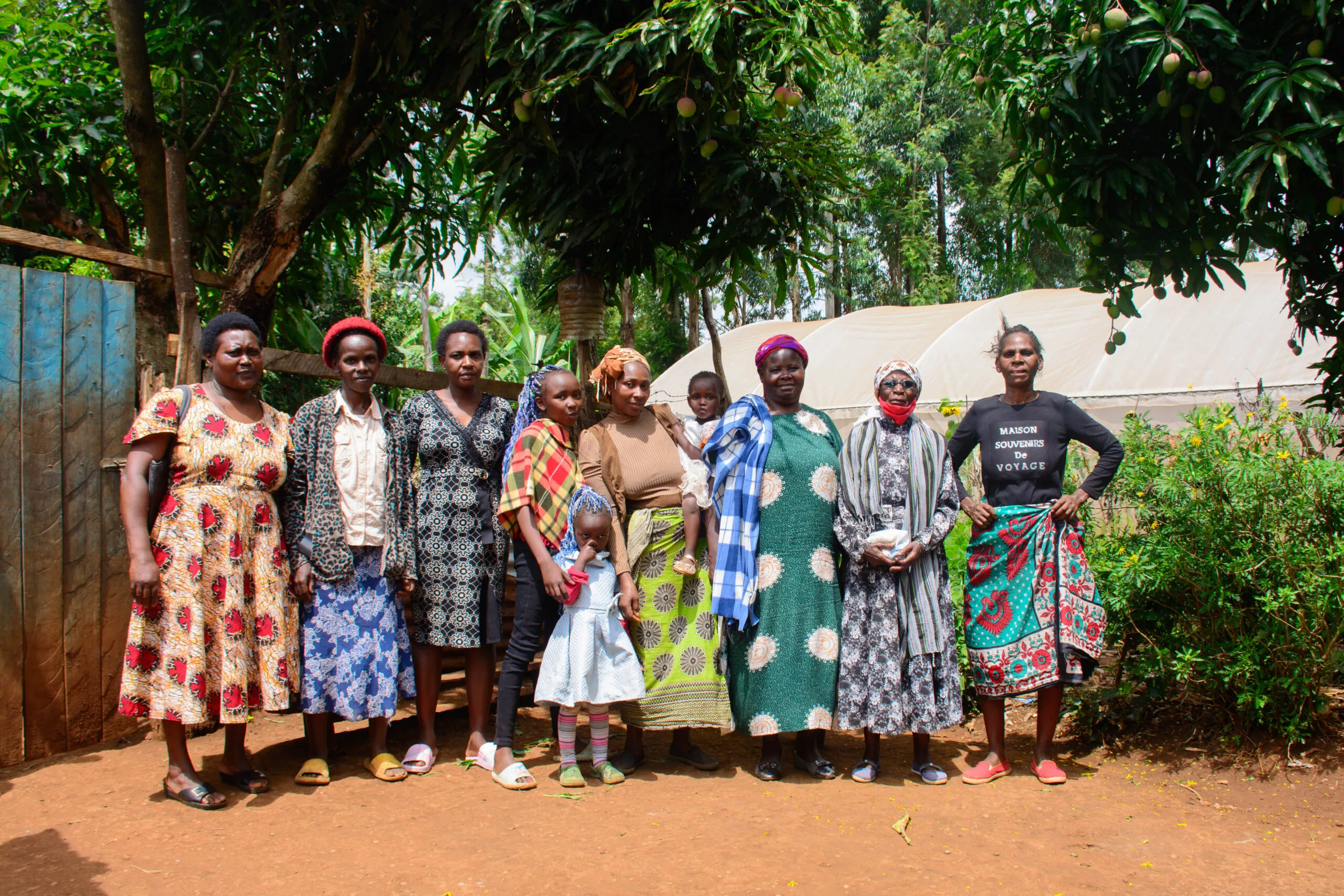
There are important differences between unconditional cash transfers and small loans. Cash transfers provide immediate resources without repayment obligations, while loans need to be paid back (with the repayments recycled to help future borrowers). Yet both approaches challenge an outdated narrative, that poverty exists because poor people make bad decisions. The evidence increasingly suggests the opposite. For instance, Hannah, a single mother, farmer, and entrepreneur in Kenya, used a WorldWise-supported loan to strengthen her business and improve opportunities for her two children. Rather than spending the funds irresponsibly, she invested in activities that generated income and improved her family’s future. Her experience reflects what we see repeatedly across our partner communities: when people are given access to capital, they often make thoughtful decisions that benefit not only themselves, but also their families and communities.
At WorldWise, our belief in individuals has guided our work since our founding. Every loan represents an act of trust and a vote of confidence in an entrepreneur’s ability to build a better future. The lesson from both GiveDirectly’s research, and decades of microfinance experience, is remarkably similar: poverty is often less about a lack of talent or ambition than a lack of access. When people are given access to resources, they frequently prove just how capable they have been all along.