Check out our most recent annual report. Now available.

Annual Report
A market in Haiti

Haiti

The Need for Microfinance in Haiti

Haiti has one of the lowest Human Development Indexes (HDI) in the Western Hemisphere, ranking 181st globally. The average income in Haiti is less than $2,000/year, resulting in a very low standard of living. Gender disparities are deep, though female labor-force participation is relatively high at 60.7%, often in informal or low-quality employment. Haiti’s development challenges are compounded by its vulnerability to natural disasters, including earthquakes, hurricanes, and floods, which exacerbate poverty and disrupt local economies. In 2021, the President of Haiti was assassinated, resulting in rising chaos and uncertainty in the country. We do not currently receive program reports from either of the two programs described below.

A child in Haiti

Making Loans in Barreau Michel

WorldWise Microfinance began its work in Barreau Michel, northwest of Port-au-Prince, following the January 2010 earthquake. The township is a 2-hour trip from Port-au-Prince, through deforested hills and undeveloped land. Barreau Michel was originally chosen because of a bi-weekly market that drew people from the surrounding area. Our initial program provided 1,000 microloans in the first five years, helping families achieve greater economic stability and supporting community growth, including the addition of a medical clinic and a school.

Making Loans in Léogâne

In 2019, WorldWise Microfinance expanded its Haitian operations by opening a new program in Léogâne. Léogâne is a port town about 40 minutes west of Port-au-Prince. The town was at the epicenter of the 2010 earthquake and was catastrophically affected, with 80–90% of buildings damaged. The economy in Léogâne is predominantly agricultural, with sugarcane being the most important crop. Sugarcane is mostly grown on large farms, while coffee is a major cash crop for family farmers. In addition, a significant percentage of the population participates in fishing, both for their own food and for sale in markets

Program members in Haiti
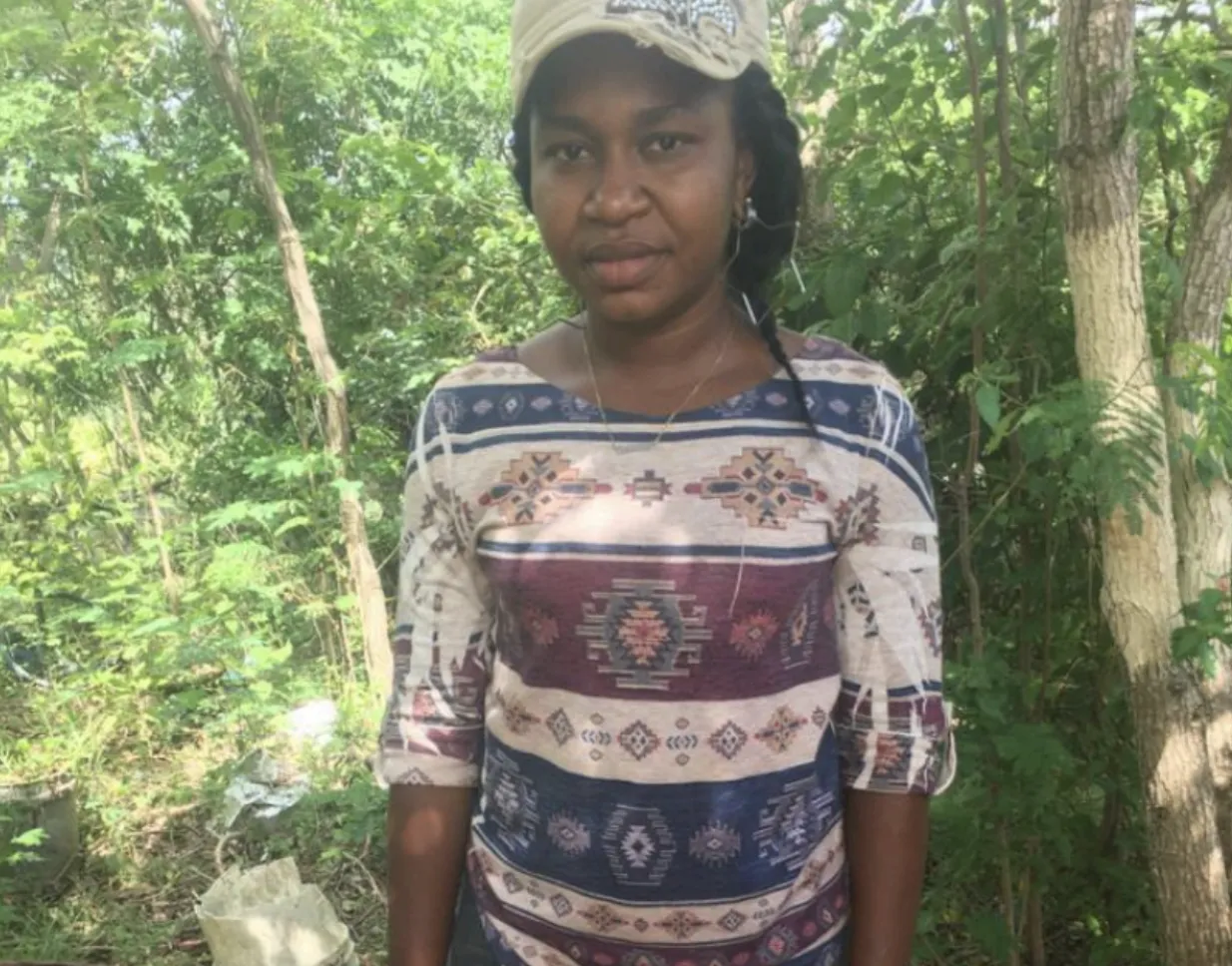
A woman in Haiti

Meet Our Partners CECFOP

Our early success in Barreau Michel was made possible through collaboration with CECFOP (Centre d’Éducation Chrétienne de Formation et d’Orientation Professionnelle), a Haitian non-profit that identified loan recipients, distributed funds, and monitored repayment. The program began with 50 loan recipients (who received $60 loans) and quickly grew to almost 1,000 loan recipients by 2016. However, with traveling to Haiti currently impossible, it is unclear how effective the program continues to be.

Meet Our Partners FOTADEL

With the arrival of new board members in 2019, we launched a new partnership in Haiti. Our second Haitian partner is FOTADEL, an agricultural cooperative in the southwest part of the country. This partnership has enabled nearly 300 cooperative members to access loans, further supporting agricultural education and financial empowerment in rural communities. FOTADEL combines financial support with educational and technical assistance to local farmers.

Microfinance recognizes that poor people are remarkable reservoirs of energy and knowledge, posing an untapped opportunity to create markets, bring people in from the margins and give them the tools with which to help themselves.

—Kofi Annan

A rural village in Haiti

Support our Haiti program

The success of the Haiti program is largely attributable to great in country partners who are committed to the success of the loan recipients. Please consider supporting them today!

Donate now