Check out our most recent annual report. Now available.

Annual Report
two farmers

Malawi

The need for microfinance in Malawi

WorldWise Microfinance launched the Malawi program in 2026. Malawi, a landlocked country in southeastern Africa, is one of the world’s least developed countries, with most people relying on subsistence farming and informal economies. Despite its proximity to more prosperous African countries, Malawi faces significant development challenges. Malawi is the fourth poorest country in the world, with 70% of its population living on less than $2.15 a day. World Bank. Gross National Income per capita was $600 in 2023, and has been decreasing macrotrends. Even worse, GDP per capita has fallen for four consecutive year, as population growth of 2.6% annually outpaces economic growth. World Bank.

According to a 2024 UNDP global report, approximately 50% of Malawi’s population is multidimensionally poor. UNDP.  This means that half the population is simultaneously lacking in basic necessities — not just low income, but a compounding web of deprivation that makes escaping poverty extremely difficult. Underlying this point is the reality that 6 out of 7 girls in Malawi are not enrolled in secondary school.  Copenhagen Consensus
woman and banana
group in field

Making loans in Lilongwe Rural District

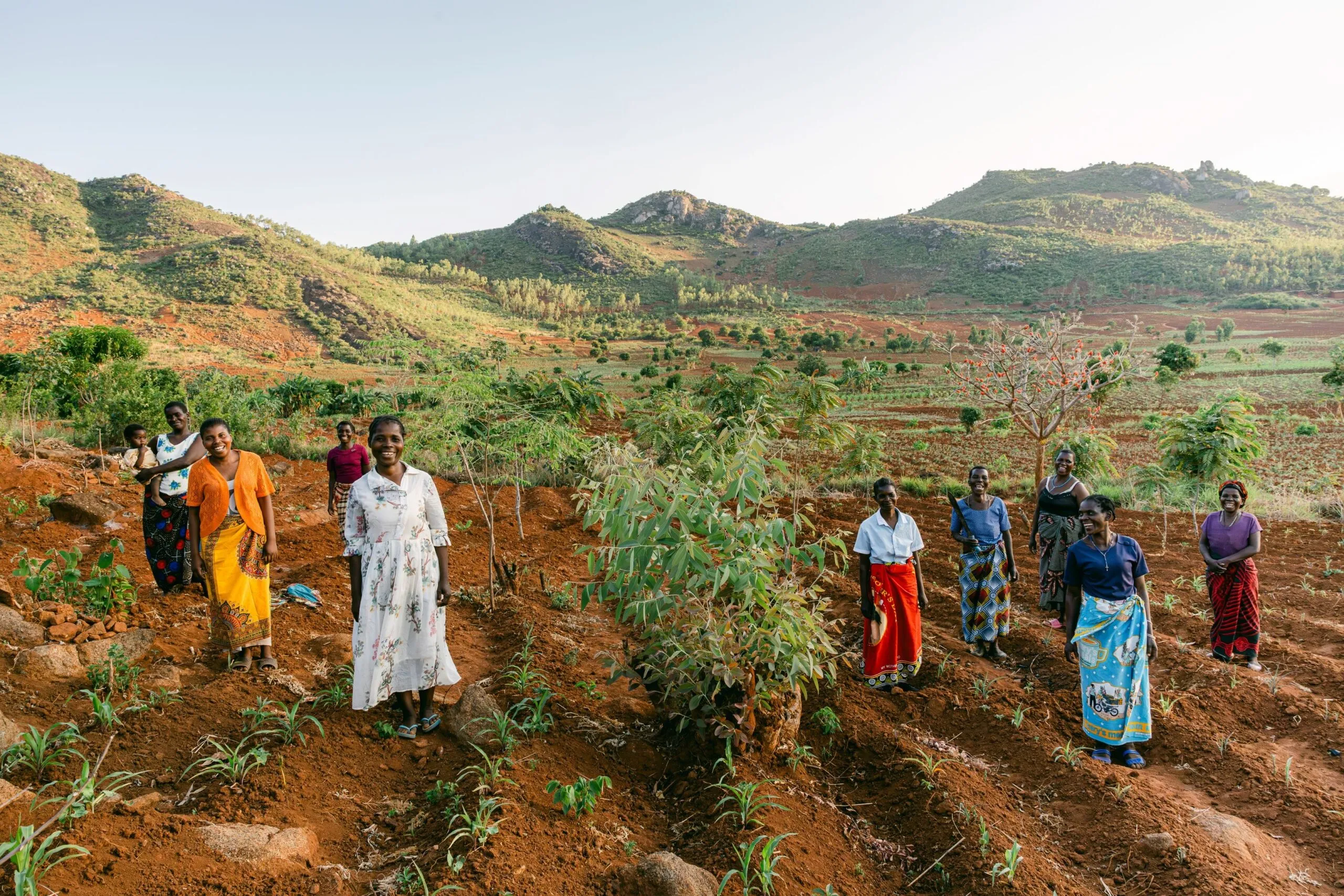
In this large, densely populated, predominantly agricultural district, women carry much of the economic burden but have limited access to capital, education, and healthcare. The district is one of Malawi’s largest and most agriculturally active areas, and is characterized by widespread small farms and informal trade. Despite its proximity to the capital, poverty is widespread, impacting women and youth the most.

In Lilongwe District, 82.5% of farmers identify maize as their priority crop. It’s both the primary food source and the economic backbone of most rural households — but yields are often low and highly vulnerable to drought and erratic rainfall. ScienceDirect

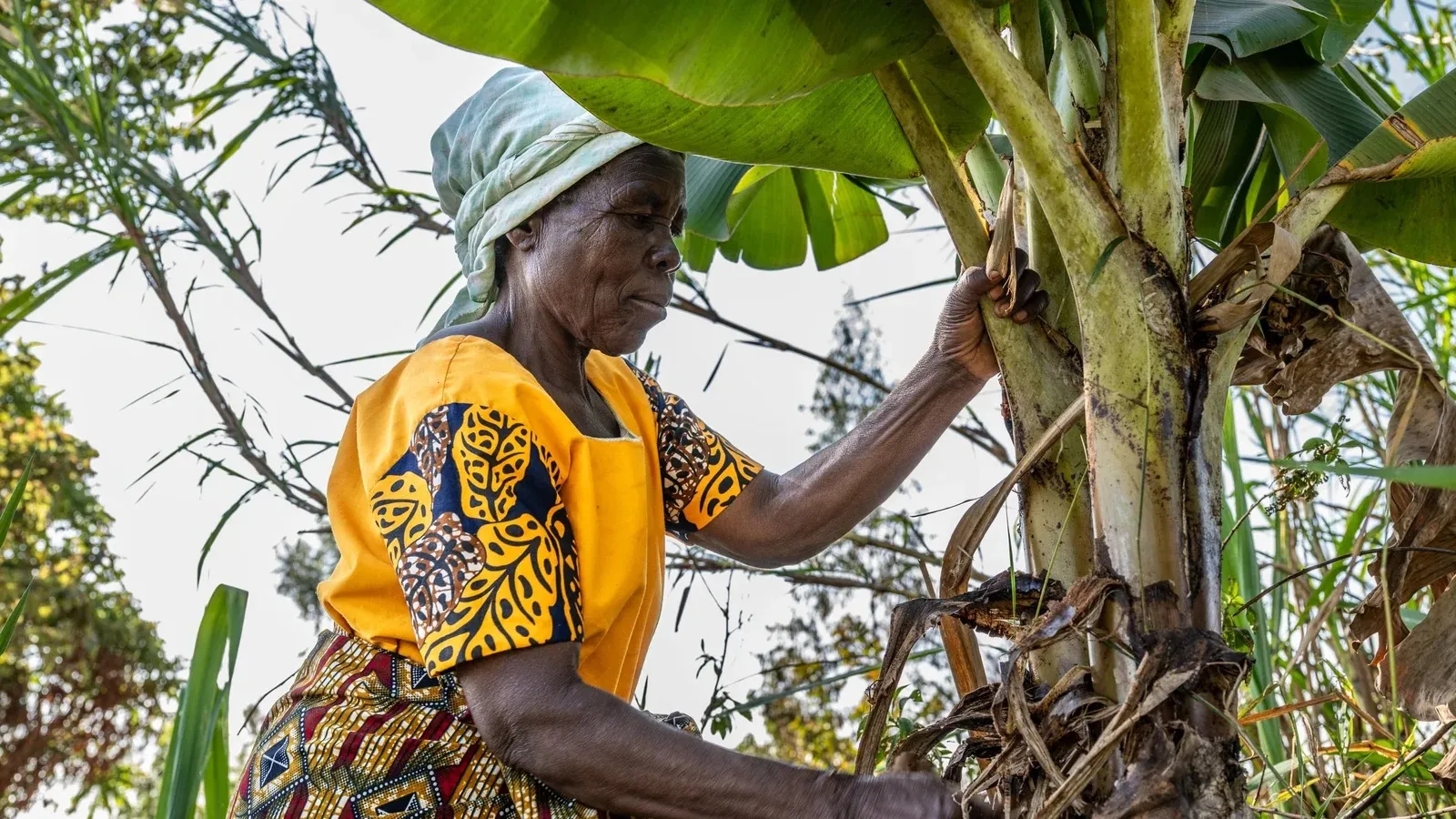
About 40% of households grow mangoes, and 22% maintain backyard gardens. In addition, about half of households own chickens, roughly a quarter own goats, but very few own cattle.

The majority of smallholder farmers rely heavily on seasonal rainfall, making crop production highly susceptible to drought and rainfall anomalies. This means a single bad season can wipe out a family’s income entirely — which is exactly why access to capital matters so much. A small loan can help a woman diversify her income beyond farming, or invest in inputs that improve her harvest. MDPI

Meet our partner

WorldWise Microfinance is partnering with The Centre for Child Development and Research (CCDR). CCDR supports community economic empowerment initiatives in Lilongwe Rural and other districts in Malawi. The organization is focused on women’s empowerment and creating sustainable livelihoods. The new microloan program supports the work they are doing with farmer organizations to strengthen women’s participation in agriculture, develop female leadership, and support community-led economic resilience through sustainable farming.

loan recipients
isaac

Why this partnership matters

Isaac Phiri represents the local partnership in Malawi and is co-founder of CCDR. Originally from Malawi and currently pursuing doctoral studies at the University of Wisconsin–Madison, Isaac explains:

“Meaningful livelihood begins when communities are trusted as leaders of their own transformation, and microfinance is not only about loans; it is about restoring dignity, strengthening relationships, and creating opportunities for families to build resilient futures together.”